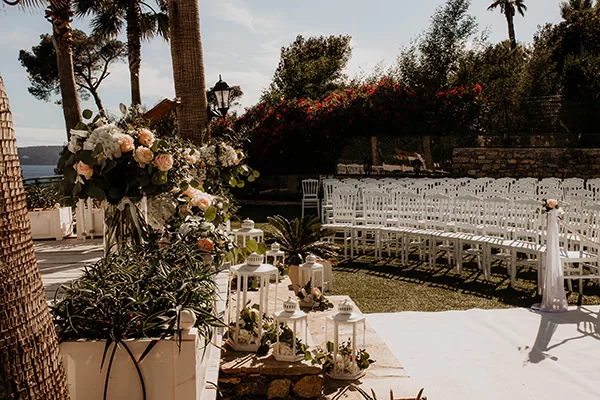
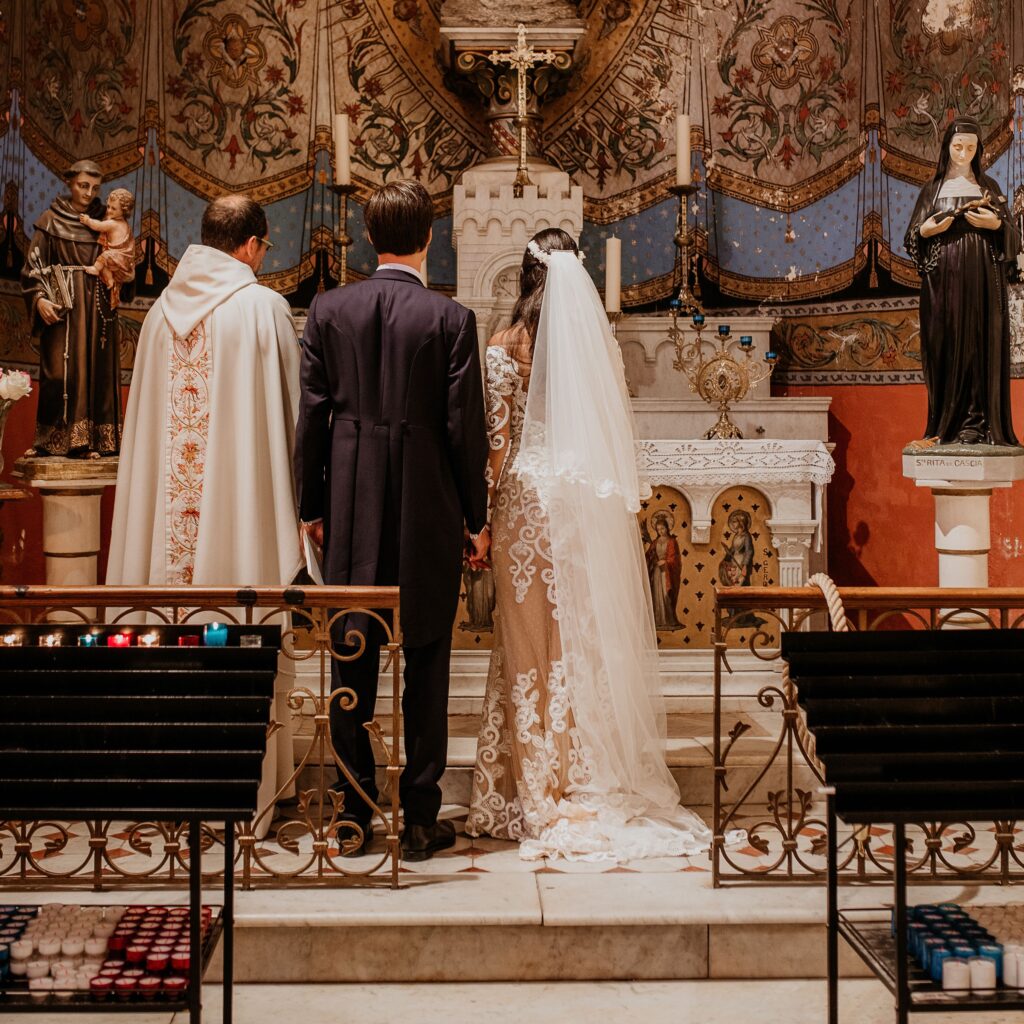
Wedding Ceremony

Plan the perfect Wedding Ceremony with expert tips, beautiful traditions, and stunning venues to make your special day unforgettable. Start planning today!

  • Civil Wedding in Italy: Everything You Need to Know

    A civil wedding in Italy offers couples a legally binding yet beautifully simple way to say “I do” in one of the world’s most romantic settings. Performed by a mayor or authorized civil official, these ceremonies take place in government-approved venues such as historic town halls, palaces, villas, and even castles, combining legal formality with timeless charm. Short, elegant, and increasingly customizable, civil weddings have become a popular choice for both Italian and international couples seeking a meaningful ceremony without religious requirements—while still surrounded by Italy’s art, architecture, and breathtaking landscapes.

    Questions about legal marriage in Italy
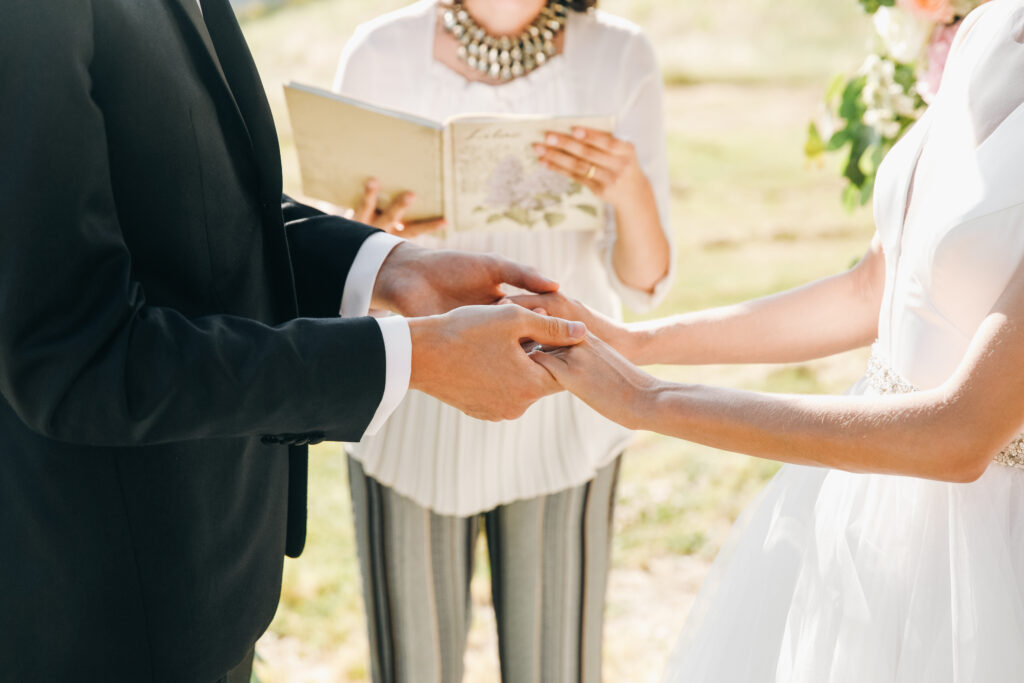
    civil wedding italy
    What is a civil wedding in Italy?

    A civil wedding in Italy is a legally binding marriage performed by a civil authority—such as a mayor or authorized registrar. It takes place in a government-approved venue, like a town hall, historic palace, or licensed villa, and follows a short, formal structure that includes mandatory legal wording from the Italian Civil Code, the exchange of consent, and signing the marriage register. While the legal parts cannot be changed, some personalization (music, readings, symbolic vows) may be allowed. Civil marriages are fully recognized under Italian law and internationally.

    Can foreigners get legally married in Italy?

    Yes. Foreigners can legally get married in Italy through a civil or religious ceremony. However, they must meet the legal requirements, provide the necessary documents, and follow the local registration process. The marriage is legally recognized internationally.

    How much is a civil wedding in Italy?

    A civil wedding in Italy itself is relatively affordable. The municipal fees for the legal ceremony typically range from about €300 to €1,000+, depending on the town, whether you’re a resident or not, and if you choose a special venue or weekend slot. However, in larger cities like Rome civil ceremony bookings (especially in historic rooms) can run around €1,200–€1,400. Additional costs include translations, document legalisation, and an interpreter if needed.

    Civil weddings in Italy for locals
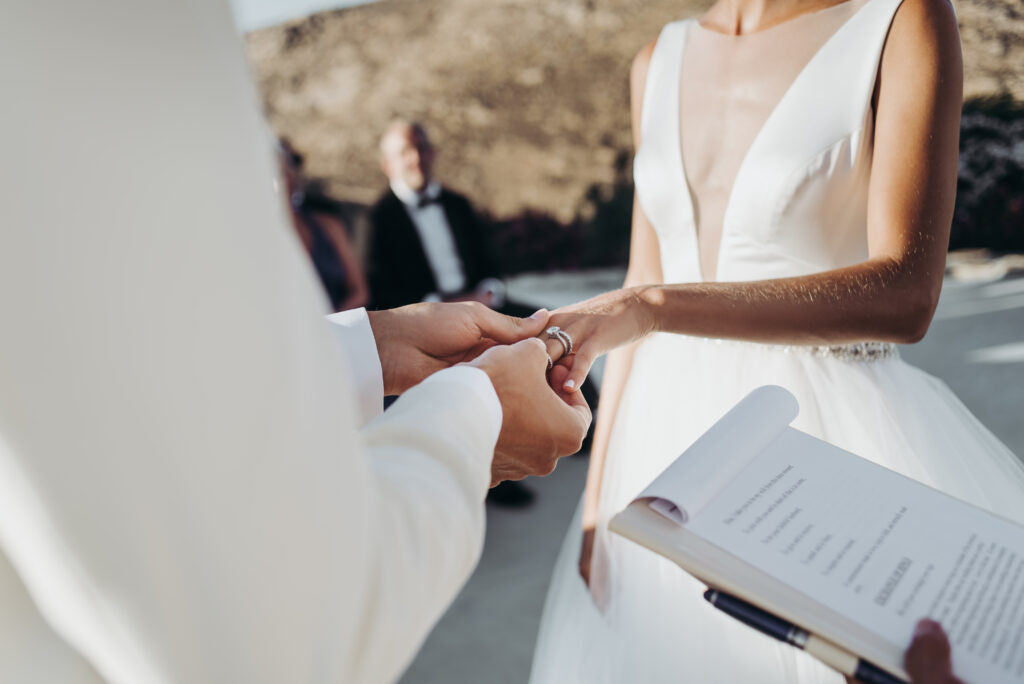
    wedding ceremony italy

    A civil wedding in Italy for local residents is a legally binding ceremony performed by a civil registrar (Ufficiale di Stato Civile) at the town hall (Comune) or at another venue authorized by the municipality. Before the ceremony, the couple must request the pubblicazioni di matrimonio (marriage banns), which are publicly posted for a set period—usually at least eight days—to allow any legal objections. Both partners must present valid identification, birth certificates, and proof of marital status. If either party was previously married, official divorce or death certificates must also be provided.

    Once the banns period has passed with no objections, the couple can schedule the ceremony. Two adult witnesses are required, and the ceremony is conducted in Italian, following a standardized legal format. After the vows are exchanged, the marriage is immediately registered in the civil records, and the couple receives an official Italian marriage certificate. This civil union grants the same legal rights and responsibilities as any marriage in Italy, including matters of inheritance, taxation, and family law.

    Civil wedding in Italy for foreigners

    Civil wedding in Italy for foreigners

    A civil wedding in Italy for foreigners is a legally recognized ceremony performed by a civil registrar (Ufficiale di Stato Civile) at a town hall (Comune) or at an officially approved venue. Couples do not need to be Italian residents to marry legally in Italy, but they must provide specific documentation proving they are free to marry. This typically includes valid passports, original birth certificates, and a Nulla Osta (Certificate of No Impediment) issued by their home country or embassy, stating that there are no legal obstacles to the marriage. All documents must usually be translated into Italian and legalized with an Apostille or consular authentication.

    Once the paperwork is approved, the municipality schedules the ceremony. Two adult witnesses are required, and the ceremony is conducted in Italian. If the couple does not speak Italian, a sworn interpreter is often mandatory. After the vows are exchanged, the marriage is immediately registered in the Italian civil records. Then, an official Italian marriage certificate is issued. This certificate can later be legalized with an Apostille for recognition abroad. A civil marriage in Italy grants the same legal rights and status as any marriage performed in the country, making it fully valid internationally once properly registered.

    Civil wedding in Italy requirements

    Civil wedding in Italy requirements
    Couple in love is signing official marriage documents

    A civil wedding in Italy is a legally binding ceremony performed by a civil registrar (Ufficiale di Stato Civile) at a town hall (Comune) or an officially authorized venue. The legal process is formal and document-based, so preparation is essential.

    Required Documents for civil weddings in Italy

    For Italian citizens:

    • Valid ID or passport
    • Birth certificate
    • Certificate of marital status
    • Marriage banns (pubblicazioni di matrimonio)

    For foreigners:

    • Valid passport
    • Full birth certificate
    • Certificate of No Impediment (Nulla Osta) or equivalent document from your home country or embassy
    • Final divorce decree or death certificate (if previously married)
    • All documents must be translated into Italian and often legalized with an Apostille

    Legal Process & Ceremony

    • Marriage banns are required for residents and must be publicly posted for a specific period (usually 8–11 days).
    • The ceremony must be conducted by a civil registrar.
    • Two adult witnesses (18+) with valid ID are mandatory.
    • The ceremony is held in Italian; if the couple does not speak Italian, a sworn interpreter may be required.
    • After the ceremony, the marriage is immediately registered, and an official Italian marriage certificate is issued.
    • For international use, the certificate can be legalized with an Apostille.

    Timeline Tip

    Start the legal process at least 2–3 months in advance, especially if you are a foreigner, as document preparation, translations, and municipal approvals can take time.

    Civil wedding venues Italy
    Civil wedding venues Italy

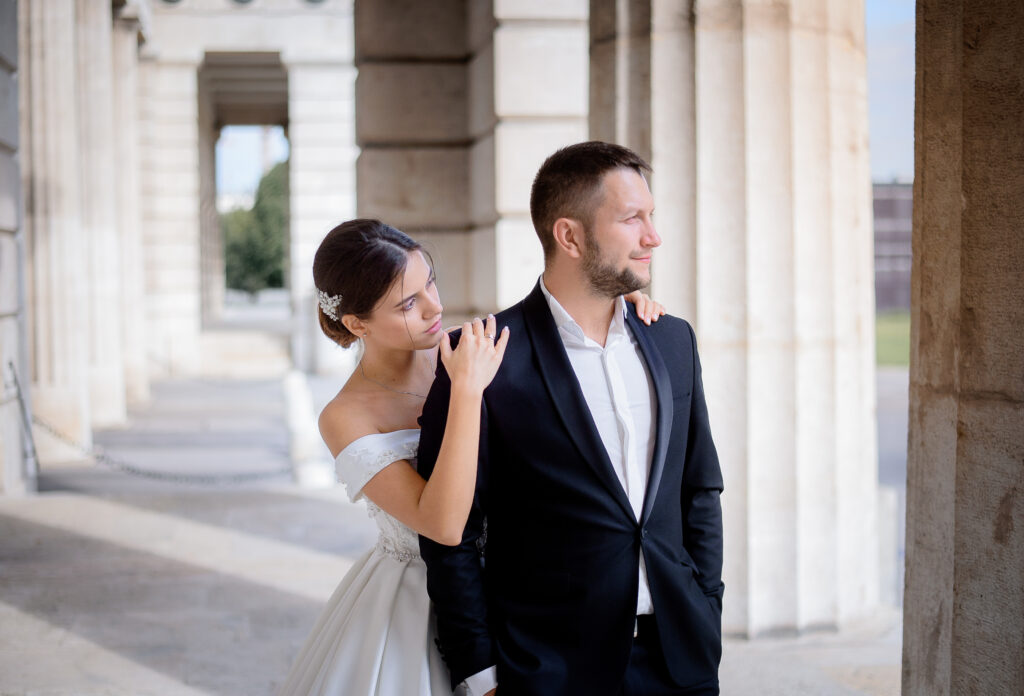
    A civil wedding in Italy can legally take place at the local town hall (Comune), which is the most traditional and universally recognized venue. Every municipality has an Ufficio di Stato Civile where ceremonies are officiated by a civil registrar. Some town halls offer elegant ceremonial rooms, historic salons, or panoramic terraces, especially in well-known destinations. Fees, availability, and rules vary by city, and reservations must usually be made well in advance, particularly in popular areas.

    In addition to town halls, many municipalities authorize civil weddings in alternative locations such as historic villas, castles, gardens, museums, and scenic outdoor terraces. These venues must be officially approved by the local government to be legally valid. This option is especially popular in regions like Tuscany, Lake Como, the Amalfi Coast, Rome, and Venice, where couples can combine legal formalities with breathtaking settings. These locations often involve additional rental fees and permits, but they offer a more personalized and visually stunning experience while remaining fully legal.

    Civil wedding venues Sicily

    Civil weddings in Sicily can be legally held at municipal town halls (Comuni) in historic cities such as Palermo, Taormina, Noto, Siracusa, and Cefalù, many of which offer elegant ceremonial rooms in centuries-old palaces or scenic terraces. These traditional venues provide a classic and fully legal setting, often surrounded by baroque architecture, medieval charm, or sea views.

    In addition, many Sicilian municipalities authorize civil ceremonies in unique heritage locations such as castles, historic villas and countryside estates. These approved venues allow couples to combine legal formality with breathtaking scenery. It is an opportunity to create a wedding that is both officially recognized and visually unforgettable.

    Civil wedding ceremony in Italy: what is it like?
    Civil wedding ceremony in Italy

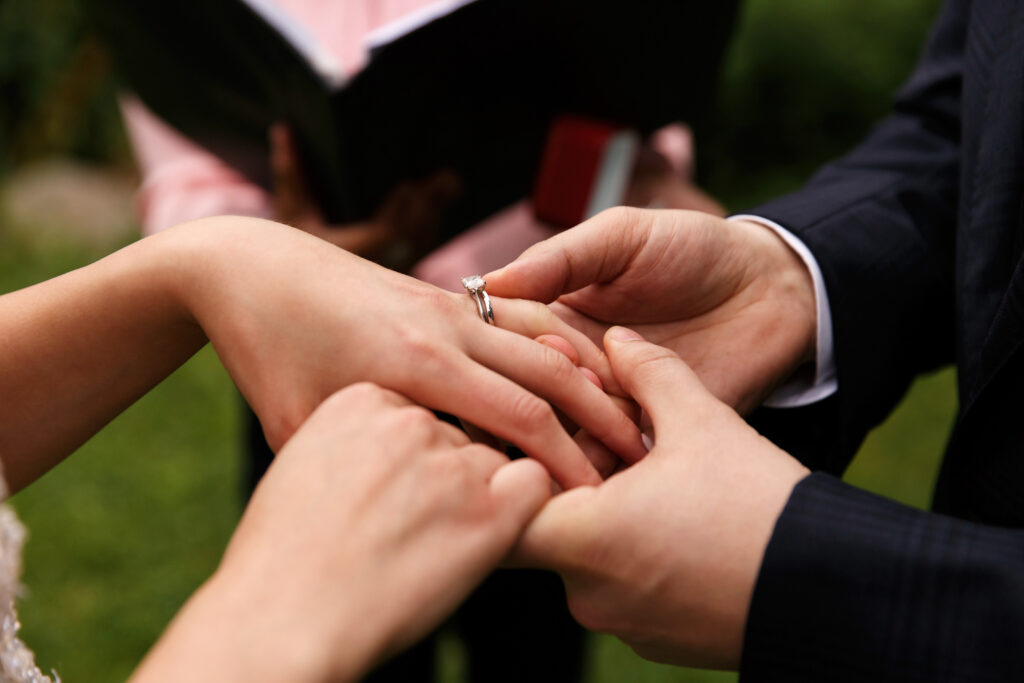
    A civil wedding ceremony in Italy is elegant, simple, and legally binding, officiated by a civil registrar rather than a religious authority. The ceremony usually takes place at a town hall or an officially authorized venue, such as a historic villa or palace. It is conducted in Italian and follows a standardized structure based on selected articles of the Italian Civil Code. The couple declares consent, may exchange rings, and signs the marriage register with their two witnesses.

    The atmosphere can range from intimate and understated to grand and ceremonial, depending on the location. Some municipalities offer beautiful halls with frescoes, antique furniture, or scenic terraces overlooking the sea or countryside. While the legal format is consistent, couples often personalize the moment with music, readings, or symbolic gestures—subject to municipal rules. Once the ceremony is completed, the marriage is immediately legally valid. Then, the official Italian marriage certificate is issued, making it both a romantic and formally recognized union.

    Civil wedding dress Italy: Brides

    civil wedding

    For a civil wedding in Italy, the bride and groom typically dress in a way that is elegant, refined, and suited to the setting. There is no strict dress code imposed by law, so couples have great freedom to express their personal style. Brides often choose chic, minimalist gowns, tea-length dresses, tailored suits, or soft, flowing silhouettes in silk, crepe, or lace. While white and ivory are still popular, many opt for blush, champagne, or even fashion-forward shades. Accessories tend to be understated but sophisticated, such as a short veil, headpiece, or elegant bouquet.

    Civil wedding garments: Grooms

    Grooms usually wear tailored suits in classic shades like navy, charcoal, beige, or light grey. In warmer regions or summer ceremonies, linen or lightweight wool suits are common, sometimes paired with loafers instead of traditional dress shoes. Ties and bow ties are optional, and many grooms choose an open-collar look for a relaxed yet polished feel. Overall, Italian civil wedding style leans toward timeless elegance rather than formal extravagance. It is effortlessly chic, well-tailored, and perfectly in harmony with the beauty of the surroundings.

    Wedding planner in Sicily

    Want to plan your civil wedding in Italy? Cassia Thomas is a renowned destination wedding planner specializing in refined celebrations across Europe. She blends elegance, cultural sensitivity, and meticulous attention to detail in every event. Cassia works closely with prestigious venues and top-tier vendors to deliver seamless experiences. Her expertise in international weddings, from legal processes to design, makes her a trusted guide for couples.
  • Symbolic Wedding Ceremony: Step-by-Step to Your Dream Celebration

    symbolic wedding ceremony
    Photo: D51 FOTOGRAFIAS

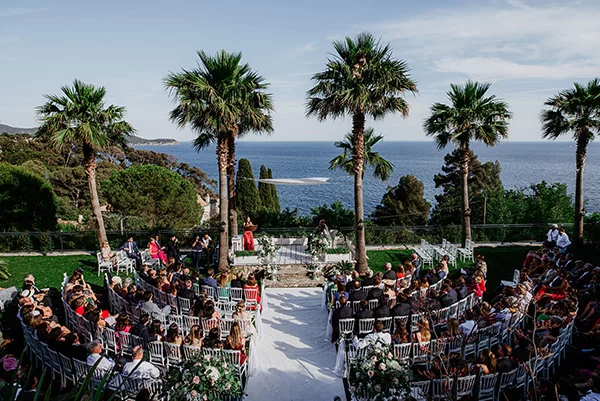
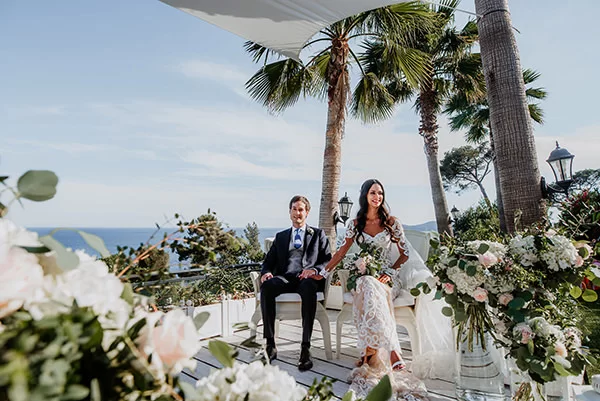
    A symbolic wedding ceremony offers couples the freedom to celebrate their love in a deeply personal and meaningful way, without the constraints of legal or religious requirements. Unlike civil or religious weddings, these ceremonies are entirely customizable, allowing every detail—from vows and readings to music and rituals—to reflect the couple’s unique story. Whether held in a romantic château in the Loire Valley, a sunlit vineyard in Bordeaux, or an elegant garden along the French Riviera, a symbolic ceremony transforms the wedding day into an intimate, memorable experience that celebrates love, connection, and creativity.

    Symbolic wedding ceremony: frequent questions

    What is the difference between symbolic and civil wedding?

    A civil wedding is a legally recognized ceremony conducted by a government official, focused on fulfilling legal requirements like signing the marriage license and having witnesses, and is typically short, formal, and limited in personalization. In contrast, a symbolic wedding has no legal standing and is purely ceremonial, allowing couples complete freedom to design the ceremony, choose their celebrant, write personal vows, include rituals, and celebrate anywhere, often complementing a legal marriage performed in their home country.

    How to have a symbolic ceremony?

    Having a symbolic ceremony is simple and flexible, with no legal or religious requirements. Couples choose a meaningful location and an officiant—professional or personal—and design the ceremony’s content, including vows, readings, music, and optional rituals like candle lighting or tree planting. Fully customizable, it allows couples to create a wedding that reflects their story and style, offering a unique, personal, and memorable celebration.

    How long is a symbolic ceremony?

    A symbolic wedding ceremony typically lasts 20 to 45 minutes, with shorter versions focusing on a simple welcome, vows, ring exchange, and closing, while longer ceremonies can include readings, music, personal stories, and symbolic rituals like candle lighting or wine blending. Fully customizable, couples can tailor the pace, content, and style to create either an intimate, brief celebration or a more elaborate, theatrical experience.

    What is a symbolic ceremony?

    symbolic wedding ceremony
    Photo: D51 FOTOGRAFIAS

    A symbolic ceremony is a wedding celebration that looks and feels like a traditional wedding, but without any legal or religious requirements. It has no binding effect in the eyes of the law, which means couples are free to shape it exactly as they wish. Instead of focusing on paperwork or official formalities, a symbolic ceremony is all about celebrating love, commitment, and personal values in a way that feels authentic.

    Because it is not restricted by laws or religious structures, couples can design every element of the ceremony—from the wording of the vows to the rituals, readings, music, and location. It can take place anywhere: a Tuscan vineyard, a Roman villa, a cliffside on the Amalfi Coast, or even a private garden. The flexibility makes it especially popular for destination weddings, since couples can legally marry in their home country first, and then enjoy a symbolic ceremony abroad that reflects their personalities and cultural influences.

    What does a symbolic ceremony look like?

    A symbolic ceremony looks very much like a traditional wedding ceremony—but with complete freedom to design it your way. It usually begins with a processional, music, and a welcome from the celebrant, followed by readings, vows, and symbolic rituals. Couples may exchange rings, say personal promises, or include cultural traditions, but without the pressure of legal or religious requirements. The structure can be as formal or casual as you like: some couples choose elegant, poetic wording, while others prefer a lighthearted, modern tone.

    Visually, it can take place anywhere that feels meaningful. Imagine an arch of flowers in a vineyard, a ceremony under olive trees, or an intimate setup by the sea. Symbolic rituals—like blending wine, lighting candles, planting a tree, or exchanging letters—make the ceremony unique and memorable. What truly defines a symbolic ceremony is its flexibility: it looks and feels like a wedding, but is crafted entirely around your story, values, and vision for the day.

    Why should you have a symbolic ceremony?

    symbolic wedding ceremony
    Photo: D51 FOTOGRAFIAS

    A symbolic wedding ceremony is the ultimate choice for couples who want freedom, intimacy, and creativity on their wedding day. Unlike civil or religious ceremonies, it carries no legal restrictions, allowing you to design every detail according to your values and story. From the words spoken to the rituals performed, everything is tailored to reflect your personalities and the journey you’ve shared together. It’s a celebration that prioritizes love, emotion, and meaning over formalities.

    Another reason couples love symbolic ceremonies is the flexibility of location. You’re not tied to a town hall or religious venue—you can exchange vows on a cliffside at sunset, in a vineyard, inside a castle, or even in a private garden. This flexibility also makes it the perfect solution for destination weddings, where legal requirements can be complicated or restrictive. Whether you want something simple and intimate or grand and theatrical, a symbolic ceremony lets you create the experience you’ve always envisioned.

    Who performs a symbolic wedding ceremony?

    One of the most beautiful aspects of a symbolic wedding ceremony is that it can be performed by almost anyone the couple chooses. Many opt for a professional celebrant/officiant, who brings experience, structure, and the ability to craft a personalized script that feels polished and meaningful. Celebrants are also a great choice for destination weddings, as they are often bilingual and skilled at weaving cultural traditions, rituals, and storytelling into the ceremony, ensuring it flows smoothly and resonates with all guests.

    Others prefer to have a close friend or family member act as officiant, which adds an intimate and emotional touch. Having someone who knows the couple personally can make the ceremony feel even more heartfelt, as the words and anecdotes come from shared history and genuine connection. Since there are no legal requirements in a symbolic wedding, couples have full freedom to decide who stands at the altar with them—whether it’s a seasoned professional, a loved one, or even a combination of both. This flexibility is what makes symbolic ceremonies so unique and personal.

    What is a symbolic wedding officiant?

    A symbolic wedding officiant is the person who leads and conducts a symbolic (non-legally binding) wedding ceremony. Unlike an officiant in a legal wedding, they are not required to be licensed or registered by the state, since the ceremony has no legal status. Instead, their role is entirely focused on creating and delivering a meaningful, personalized experience that reflects the couple’s story, values, and vision.

    In addition, a symbolic officiant often works closely with the couple to craft the script, incorporate personal elements such as custom vows, readings, or rituals, and set the tone of the ceremony—whether formal, spiritual, or lighthearted. As a result, they have far more creative flexibility than a legal officiant. Therefore, while they do not handle any official paperwork, they play a key role in shaping the emotional and narrative core of the wedding ceremony.

    Symbolic wedding vs legal wedding

    A symbolic wedding and a legal wedding serve different purposes, although they can look quite similar on the surface. A legal wedding is a civilly recognized union, meaning it requires official documentation, a licensed officiant, and compliance with local laws in order to be valid. In contrast, a symbolic wedding has no legal standing; instead, it is a personalized ceremony created to celebrate the couple’s commitment in a more flexible and meaningful way. For this reason, many couples choose to complete the legal formalities separately—often in a courthouse—before or after their symbolic celebration.

    Moreover, a symbolic ceremony allows for far greater creative freedom. Couples can write their own vows, choose any location, and include cultural or spiritual elements without restrictions. On the other hand, legal ceremonies may involve specific wording, procedures, or timing dictated by local regulations. Therefore, while a legal wedding ensures official recognition, a symbolic wedding offers a more tailored and emotionally expressive experience.

    Symbolic wedding ceremony ideas

    Here are some ritual ideas to make your symbolic ceremony unique:

    Unity Candle

    Each partner lights a candle, then together they light a central one, symbolizing two lives becoming one.

    Sand Ceremony

    Different colored sands are poured into one vessel, representing blending lives and families.

    Wine or Cocktail Blending

    Mixing two wines (or ingredients for a signature cocktail) to symbolize harmony.

    Tree Planting

    Planting a sapling together as a symbol of growth and roots for the marriage.

    Water Ceremony

    Pouring water from two vessels into one, or releasing flowers into water, symbolizing union and flow.

    Ring Warming

    Passing rings among guests so everyone “warms” them with love and wishes before the exchange.

    Handfasting

    Celtic ritual of binding hands with ribbons or cords to signify commitment.

    Love Letters & Time Capsule

    Writing letters to each other, sealing them with wine or keepsakes to open on a future anniversary.

    Guest Blessings  

    Inviting family and friends to offer short wishes, readings, or blessings.

    Symbolic wedding ceremony script

    Creating a unique ceremony script is essential for crafting a symbolic wedding ceremony that truly reflects your love story. Start by outlining the structure of the ceremony, including the order of events and any rituals or readings you want to include. This will give you a framework to work within and ensure that the ceremony flows smoothly and logically.

    When writing the script, focus on the language and tone that best reflects your relationship and personalities. Whether you prefer a formal and elegant ceremony or a casual and lighthearted one, make sure the script captures the essence of who you are as a couple. Include personal anecdotes, quotes, and references that are meaningful to you, and don’t be afraid to inject some humor if it feels right.

    Consider working with your officiant to develop the script, especially if they are a close friend or family member. They can provide valuable input and help ensure that the ceremony is cohesive and well-paced. Once you have a draft of the script, read it aloud to see how it sounds and make any necessary adjustments. This will help you create a ceremony that is not only unique and personal but also engaging and memorable for your guests.

    In general, this is how a symbolic wedding ceremony script is structured:

    Welcome / Opening Words

    • Officiant welcomes guests.
    • Sets the tone for the ceremony.

    Example themes: love, partnership, commitment, joy.

    Acknowledgments / Optional Reading

    • Recognize family, friends, and loved ones.
    • Optional readings, poems, or quotes about love and partnership.
    • Can include cultural, literary, or personal selections.

    Couple’s Story / Words About Love

    • Officiant shares a brief story about the couple (how they met, meaningful experiences).
    • Highlights the couple’s values and commitment.

    Declaration of Intent

    Officiant asks each partner:
    “Do you take [partner’s name] to be your partner, to love and cherish, in all circumstances, as your equal and companion?”

    Vows

    • Personal vows: Partners speak their own promises.
    • Optional standard vows: Can be read or repeated after officiant.

    Ring Exchange

    • Officiant explains symbolism of rings (eternity, unity).
    • Each partner places a ring on the other’s finger, repeating a short phrase, e.g., “With this ring, I promise to love you always.”

    Unity Ritual / Optional Symbolic Gesture

    • Optional: candle lighting, sand ceremony, handfasting, tree planting, wine sharing, etc.
    • Represents the joining of lives and families.

    Closing Words / Blessing

    • Officiant shares final thoughts, blessings, or reflections on love and marriage.
    • Example: “May your life together be filled with joy, respect, and endless love.”

    Pronouncement

    • Official declaration: “By the love you share and the promises you have made, I now pronounce you partners in life. You may kiss.”

    Writing Your Own Vows: Tips and Inspiration

    Writing your own wedding vows is one of the most personal and meaningful aspects of a symbolic wedding ceremony. It’s an opportunity to express your love and commitment in your own words, creating a moment that is uniquely yours. Start by reflecting on your relationship and what makes it special. Think about the qualities you love most about your partner, the experiences you’ve shared, and the promises you want to make for the future.

    When writing your vows, aim for a balance between heartfelt emotion and sincerity. Avoid clichés and generic phrases, and instead focus on specific moments and feelings that are unique to your relationship. Consider incorporating anecdotes or inside jokes that highlight your bond and bring a smile to your partner’s face. Remember, your vows don’t have to be perfect—they just have to be genuine and from the heart.

    If you’re feeling stuck, look for inspiration in literature, music, and film. Quotes from your favorite books, songs, or movies can provide a starting point for your vows and help you articulate your feelings. You can also find inspiration in traditional wedding vows from different cultures and religions, and adapt them to fit your own beliefs and values. The most important thing is that your vows reflect your true feelings and the unique connection you share with your partner.

    How to Incorporate Cultural Traditions

    Incorporating cultural traditions into your symbolic wedding ceremony can add depth and richness to the celebration, honoring your heritage and bringing a sense of continuity with the past. Start by researching the wedding customs and rituals from your cultural background, and consider how they can be adapted to fit your symbolic ceremony. This can be a wonderful opportunity to involve older family members and learn more about your family’s traditions.

    For example, in many African cultures, the jumping the broom ceremony is a traditional ritual that symbolizes the couple’s new life together. The couple jumps over a broom, which is often decorated with ribbons and flowers, as a way of sweeping away the old and welcoming the new. This ritual can be adapted to fit a symbolic ceremony and can be a fun and meaningful way to honor your heritage.

    In Hindu weddings, the Saptapadi or “seven steps” is a key ritual where the couple takes seven steps together, each step representing a vow or promise. This ritual can be incorporated into a symbolic ceremony by having the couple take seven steps together and make their own personalized vows at each step. This not only honors the cultural tradition but also allows the couple to express their unique commitment to each other.

    Symbolic wedding certificate

    A symbolic wedding certificate is a non-legally binding document that commemorates a couple’s ceremony and commitment to one another. Unlike an official marriage certificate, it holds no legal status; however, it is often beautifully designed and personalized, making it a meaningful keepsake from the day. Typically, couples sign the certificate during or after the symbolic ceremony, sometimes alongside witnesses, as a way to mark the moment in a tangible and ceremonial form.

    Moreover, many officiants incorporate the signing of a symbolic certificate into the flow of the ceremony, adding a ritualistic and emotional touch that mirrors a legal wedding. In this context, professionals like Cassia Thomas can be especially helpful, as she works with a network of experienced officiants who offer this option. As a result, even without legal standing, the symbolic certificate becomes a cherished part of the celebration, blending tradition with creative freedom.

    Symbolic wedding ceremony abroad

    Symbolic wedding ceremony in France

    To do civil wedding in France, at least one of the partners must have a connection to the town where the wedding takes place, usually by residence (living in the commune for at least 40 days), employment in the commune or family ties (parents born there, etc.). Due to that, many foreigners couples choose to do a symbolic ceremony for their destination wedding in France.

    In France, a symbolic ceremony has no legal standing, meaning it is purely celebratory and personalized. A symbolic wedding ceremony in France is more about personal storytelling, style, and sensory experience, often set in picturesque locations and enhanced with French cultural touches. It contrasts with more standardized symbolic ceremonies elsewhere that may focus mainly on vows and ritual structure. Symbolic ceremonies in France tend to be shorter and more curated, usually 20–45 minutes. French symbolic weddings may integrate literature, poetry, or philosophical reflections:

    • Excerpts from Victor Hugo, Paul Éluard, or contemporary French writers
    • Emphasis on spoken words, storytelling, and personal anecdotes rather than just rituals.

    Symbolic wedding ceremony in Italy

    Couples who choose Italy for their destination wedding often opt for a symbolic ceremony. Much like in France, this type of celebration has no legal standing—it is entirely about joy, personalization, and creating an unforgettable experience. In Italy, the symbolic ceremony beautifully weaves together culture, scenery, and tradition, allowing couples to express their love story in a uniquely meaningful way.

    Italian symbolic weddings are rich in artistic and sensory details. They may feature literary or poetic readings from Dante, Petrarch, or contemporary writers; live music such as opera, string quartets, or traditional Italian songs; and rituals inspired by wine, food, and nature. From blending wines into a single glass, to planting an olive tree in Tuscany or Puglia, to sharing bread and wine as symbols of unity, these moments highlight the essence of Italian life. Unlike the more philosophical and refined tone often found in France, Italian ceremonies lean toward the romantic, emotional, and sensory—filled with music, fragrance, flavors, and sweeping views. They are warm, convivial, and inclusive, often flowing seamlessly into the aperitivo or festa, perfectly in tune with Italy’s legendary hospitality.

    Destination wedding planner in France and Italy

    Looking forward to a symbolic wedding ceremony in Europe? Wedding planner Cassia Thomas can expertly guide you through the process. She is a renowned destination wedding planner, celebrated for creating exceptional, fully personalized celebrations across the continent. With extensive experience, she combines timeless elegance, cultural sensitivity, and meticulous organization. Cassia partners with premier venues and top-tier vendors to ensure every detail unfolds seamlessly. Her deep expertise in international weddings — from navigating legal requirements to designing unforgettable experiences — makes her an invaluable ally for couples planning their dream day from abroad.

    Get in touch with Cassia Thomas:
    Phone: +33 6 60 39 05 44
    Email: hello.kis.wedding@gmail.com

  • Catholic church wedding in France: how to organize?

    catholic church wedding france cassia thomas weddings

    When it comes to organizing a Catholic church wedding in France, you might have lots of great options to get married. The country is full of gorgeous constructions and rich architecture. In this article, I’ll explain all the steps needed to have a religious ceremony in France.

    Read more: Marriage proposal in Paris: a step by step guide to plan

    Most common questions about Catholic Church weddings in France

    Can a foreigner get married in France?

    Yes, foreigners can get married in France. However, French law requires that at least one in the couple has “a long-lasting bond” with the local area where the civil ceremony will be held. This means that at least one of the parties should have been resident in France for a minimum of 40 days continuously, immediately preceding the marriage. In case you want a Catholic wedding, it might be a little difficult to find churches willing to accept non-residents.

    How much does a French wedding cost?

    Above all, this is a million-dollar question. It really depends on the number of guests, the venue you chose to get married and the type of experience you want to provide. Check our packages and fares.

    What is the difference between a church wedding and a civil wedding?

    First, a church wedding is a religious ceremony, usually celebrated by a priest (if it is a Catholic Church wedding). It has no legal value and it is the best option for couples who follow this religion or were raised in a Catholic family. On the other hand, a civil wedding can be officiated either by a legal or civil representative. It is usually celebrated in a registry office or town hall. But it can also take place in a venue chosen by the couple.

    Can anyone officiate a wedding in France?

    If it is a religious ceremony, it should be celebrated by a religious leader, like a priest, a rabbi, a monk, etc. In case you are having a civil wedding, the mayor can authorize the deputy mayor or a city councilor to perform the ceremony in the town. However, for symbolic ceremonies, you can choose anyone you want – a professional officiant, a friend, or someone from your family.

    What are the requirements for a church wedding?

    To have a Catholic wedding, you must follow some requirements:
    ·         The couple must be of the Catholic faith and baptized;
    ·         Fill in the application form;
    ·         Birth certificates valid 3 months before the wedding date;
    ·         Proof of baptism;
    ·         Legal marriage certificate;
    ·         Some churches might require an interview;
    ·         Wedding preparation classes with your priest.

    How do you get married in a church in France?

    If you hire a wedding planner like Cassia Thomas, you’ll get the step-by-step to choose the best church in France for your ceremony and to hire this place.

    What happens at a church wedding?

    In a traditional Catholic wedding, you might see the following structure:
    1.      The processional: the entrance of bridesmaids, groomsmen, family, and the couple.
    2.      Welcome and introduction: the priest welcomes all the guests and gives some thoughts about marriage or the couple’s story;
    3.      Readings: you can invite some family members or friends to share a few words.
    4.      Priest’s words: it is time to talk about marriage and all of its responsibilities.
    5.      Vows’ exchange: the couple recites their vows.
    6.      Rings’ exchange: you place the rings on each other’s fingers.
    7.      You may kiss the bride: to seal the marriage, the couple kisses.
    8.      Closing remarks: the priest might give some final blessings and invite guests to applaud and celebrate the newlyweds.

    Do you pay for a church wedding?

     Yes, you do. Each church has its own fares, so it’s important to check with the ones you liked the most.

    Why should you make a Catholic Church wedding in France?

    If you and your family are Catholics, then getting married in a French church is just perfect. From opulent cathedrals to countryside charming chapels, we have options for all tastes and types of weddings. Our churches have an absolutely gorgeous architecture that will make your guests feel astonished.

    Gorgeous churches to get married in France

    Here are some of my favorite churches for a French wedding:

    Saint Eustache

    Located in the 1st arrondissement (district) of Paris, this church was built between 1532 and 1632. Its structure was created in Flamboyant Gothic style, while its interior decor mixes Renaissance and classical details. Throughout its history, some famous people have been baptized there, like Cardinal Richelieu, Moliere, or Madame de Pompadour. Louis XIV did his first communion there. Due to its opulence, it is the perfect place to celebrate a big wedding.

    Église de la Madeleine

    If you watched “The Da Vinci Code”, you probably remember Madeleine Church or just La Madeleine. Situated between Place de la Concorde, Place Vendôme, and Saint-Augustin church, it was designed in its present form as a temple to the glory of Napoleon’s army. La Madeleine was built in the Neo-Classical style, inspired by a Roman temple. On its exterior, you’ll find fifty-two Corinthian columns.

    Église Saint Augustin

    Near boulevard Malesherbes, in the 8th arrondissement of Paris, Saint-Augustin church was built between 1860 and 1868 in an eclectic style combining Tuscan Gothic and Romanesque elements. It was created as a counterpoint to the famous columns of La Madeleine at the other end of the boulevard. Saint-Augustin church was projected to be visible from the Arc de Triomphe – that’s why it has a dome of 61 meters (200 feet).

    Documents need for a catholic church wedding in France

    See everything you need to get married in the French Catholic church:

    • Copy of your legal marriage certificate;
    • Baptism and Confirmation certificates;
    • Pre-Nuptial Inquiry form;
    • If you partner is not Catholic then you need to complete a Permission for a Mixed Religion form;
    • A letter from your parish priest saying that he knows of no reason why you shouldn’t be married in France.

    Read more: Elopement wedding in Paris: step by step guide to plan

    How far in advance to organize a catholic wedding in France?

    If you are planning a destination wedding in France, my advice for you is to plan it at least one year in advance. This way, we can hire the best wedding vendors and choose the best churches for your Catholic wedding in France. Also, we can plan a technical visit for you to have a glance at your ceremony spot.

    Church wedding: marriage in France for foreigners

    Can foreigners get married in a French church? The answer is: yes, they can! As long as they are legally married in their home country, they can have a Catholic ceremony in France.

    Cassia Thomas: your wedding planner in Paris and Europe

    If you’re seeking a wedding planner in France to create the perfect Catholic wedding, Cassia Thomas is here to help. As a certified Elite Wedding Planner from MSAcademy, she is deeply dedicated to designing bespoke and unforgettable wedding experiences. She also speaks French, English, and Portuguese, ensuring seamless communication with local vendors.

    Organize your Catholic Church Wedding in France

    Do you need some help planning your Catholic French wedding? The wedding planner Cassia Thomas can help you to organize everything from the start. Let’s talk!

    Contact the wedding planner Cassia Thomas:

    Phone: +33 6 60 39 05 44 
    hello.kis.wedding@gmail.com